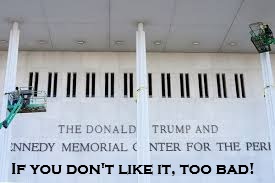
For years, the Kennedy Center drifted along on reputation alone—an aging monument to elite tastes, insider politics, and taxpayer-funded complacency. Attendance sagged, relevance waned, and programming increasingly catered to a narrow cultural clique more interested in lecturing America than entertaining it. Then Donald J. Trump arrived, and suddenly the script flipped.
Trump’s involvement didn’t just stabilize the Kennedy Center—it forced it to remember what it exists for: entertainment, excellence, and broad public appeal. While critics screamed about decorum and tradition, Trump did what he always does—he disrupted a failing status quo and made it visible again. Renovations moved forward. Media attention returned. And ordinary Americans who had long felt unwelcome in the cultural cathedral on the Potomac started paying attention.
Naturally, the cultural gatekeepers responded the only way they know how: tantrums and cancellations.
A handful of performers and touring acts announced they would no longer appear at the Kennedy Center because Trump was associated with it. According to press statements and social media grandstanding, this included politically outspoken musicians, comedy performers, and Broadway-adjacent productions who insisted their “values” wouldn’t allow them to share a marquee with Trump’s name anywhere nearby. Some even framed their exit as an act of moral courage—bravely refusing to perform… at one of the most prestigious venues in the country.
How stunning. How heroic. How predictable.
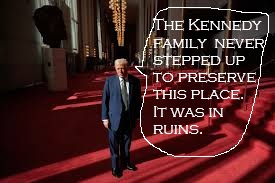
These are the same artists who have no problem cashing checks from corporations, foreign governments, or activist donors—yet suddenly discover a moral spine when it’s time to virtue signal to their followers. They didn’t leave because the Kennedy Center was collapsing. They left because it wasn’t theirs anymore.
What they won’t admit is that without Trump forcing attention and investment back onto the institution, the Kennedy Center would still be limping along as a cultural relic—safe, stale, and ignored by everyone outside the Beltway bubble. Trump didn’t “politicize” the arts; the arts were already political. He simply refused to play along with the pretense.
And here’s the part that really stings the cancel crowd: the Center didn’t collapse when they left. The lights stayed on. New audiences showed up. Programming diversified in ways that didn’t require ideological litmus tests. Turns out Americans still want music, theater, and spectacle—without being scolded.
The boycott brigade wanted headlines, not solutions. Trump delivered results, not applause lines.
So let them cancel. Let them preen on social media. Let them congratulate each other for “taking a stand” while the institution they abandoned moves forward without them. History won’t remember who refused to perform. It will remember who refused to let one of America’s great cultural institutions rot under the weight of elitist neglect.
Donald Trump didn’t ruin the Kennedy Center.
He reminded it who it belongs to.