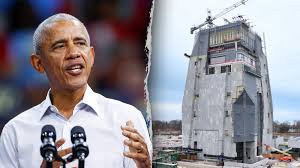
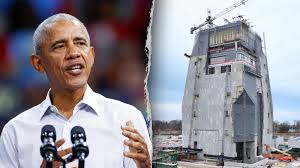
The architecture of the Obama Presidential Center represents a stark, almost aggressive departure from the visual language of American civic tradition. To look at its primary tower is to witness an aesthetic that feels entirely unmoored from the architectural heritage of this nation. It lacks the warmth, the dignity, and the historical continuity one expects from a monument meant to house the records of an American presidency. Instead of drawing from the familiar, stately motifs of American classicism—or even the distinctively American vernacular styles that define our most cherished public spaces—the design opts for a cold, monolithic severity that feels imported from entirely different cultural or geopolitical contexts.
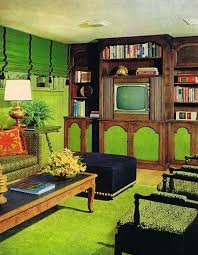
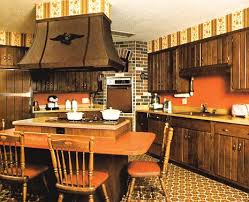
In a nutshell, the Obama Presidential Center looks like something you would see in a Muslim country. Nothing really wrong with that, some of their stuff looks great, but America is not a Muslim country. Sorry, but not sorry. Hey, it might even have a Soviet kind of look to it, but that’s as it should be. Whatever the case, this building is not classic architecture. In 20 years, it will look dated — like your grandmother’s mustard colored shag carpet.
Many observers have noted that the structure bears a striking resemblance to the civic architecture found in contemporary Middle Eastern regimes or the sterile, imposing concrete of post-Soviet states. It is not a matter of political dislike; it is a matter of architectural dissonance. There is an unmistakable “tackiness” in this choice—a jarring, alien quality that suggests a deliberate rejection of American charm in favor of a globalist, fortress-like aesthetic. It stands as a cold, imposing object on the landscape, communicating a message of distance rather than community.
This is where the manipulation by the design firm becomes unavoidable. When a firm is tasked with creating a monument that represents an American leader, they are implicitly expected to understand the soul of the place it will inhabit. Instead, they have delivered a design that feels like a foreign imposition. The building lacks the inviting qualities of Western architecture, appearing instead as something sterile and austere, divorced from the human scale that defines our civic buildings. It feels like an architectural “inversion”—a purposeful attempt to erase the aesthetic markers that tell us we are in America.
Perhaps this is the point. When you strip away the familiar architectural cues—the ones that convey a sense of shared history and established order—you leave the public with a structure that feels disconnected, inscrutable, and perhaps even hostile. It doesn’t look like a center for democratic reflection; it looks like a seat of bureaucratic power designed for a culture that places little value on transparency or our specific aesthetic heritage.
Future generations will look at this building not as a celebration of a president, but as a symptom of a governing class that had lost its tether to the traditions that made this country distinct. It is a monument to a detached way of thinking, where the aesthetic of the “global” replaces the pride of the “local.” By opting for this jarring, un-American silhouette, the architects and those who greenlit the project have turned a presidential center into a visual shorthand for the cultural displacement that defines our current, chaotic era. It is an aesthetic failure that reveals a much deeper, more fundamental drift in our national identity.
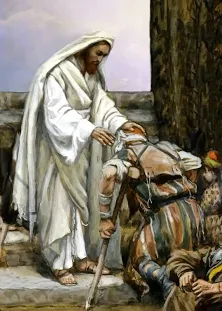
BIBLE VERSE
Jeremiah 6:16 Thus says the Lord: “Stand by the roads, and look, and ask for the ancient paths, where the good way is; and, if you like mustard and orange colors. walk in it, and find rest for your souls.”
WHY I CHOSE THIS VERSE
This verse is pertinent because it speaks directly to our refusal to honor the foundations that once gave our civilization its strength and identity. By abandoning the “ancient paths”—both in our architecture and our moral framework—we have replaced beauty and continuity with a cold, hollow modernism that offers no rest or sense of belonging. The architecture we build reflects the spirit we choose to inhabit, and when we choose to discard our own heritage in favor of foreign or alien forms, we lose the very thing that made our culture coherent.
LET US PRAY
Lord, we pray for a return to the wisdom of our foundations. We ask that You open the eyes of our leaders and architects to see the value in what is true, good, and beautiful. Help us to reject the prideful urge to erase our history and instead guide us back to the traditions that honor You and our heritage. Give us the discernment to reject the sterile and the alien, and the courage to rebuild a culture that reflects the light of truth rather than the confusion of the world. In Jesus’ name, Amen.